

The Way You Make ‘Em Feel
By Luke LaBree 🔎
CMO, Dennis Food Service
Recently my family took our first trip to Florida. We headed to the Keys — chasing sun, salt air, and the kind of slow that’s hard to find in Maine in the spring. What I didn’t expect was to spend the trip living out everything I’ve been writing about.
We were surrounded by restaurants. Dozens of them. Signs, storefronts, sandwich boards, all competing for the attention of people who had no idea where they were or what was good. That’s the “Decision to Dine” moment — the window where a hungry, unfamiliar traveler is actively making up their mind, and your digital presence either shows up or it doesn’t.
But something changed since our last family trip: AI has entered the conversation.
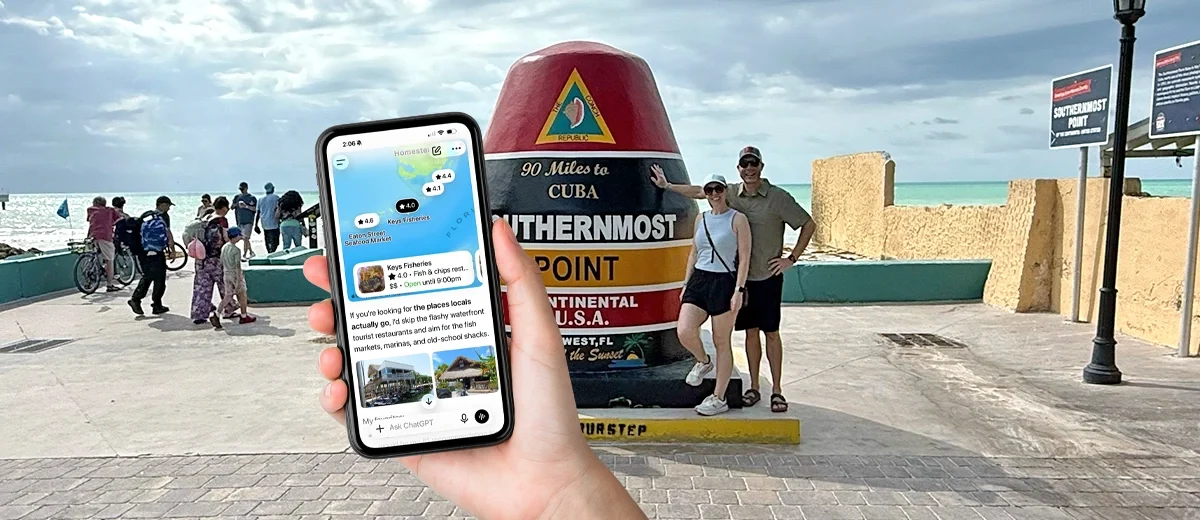
My wife opened ChatGPT. I opened Claude. We each started asking questions — what’s good down here, what’s worth the stop, where do locals actually eat. There are more AI tools every month, and they’re only getting better, but the behavior is the same regardless of which one you use. They’ve been fed the internet. They read reviews, aggregate signals from maps and discovery platforms, pull from websites and real experiences, and hand you back a Cliff Notes version of the collective opinion of everyone who’s ever eaten there and had something to say about it.
By the end of the trip my kids — who had spent a week listening to my wife cheerfully announce “Let’s ask Chatty!” — were tapping me on the shoulder saying, “Dad, can you check with Claude.” They are 11 and 14 years old, and they’re developing preferences and personalizing, if not humanizing AI chatbots. That’s where we are. That’s where your customers are, today, right now. Let that sink in for a moment.
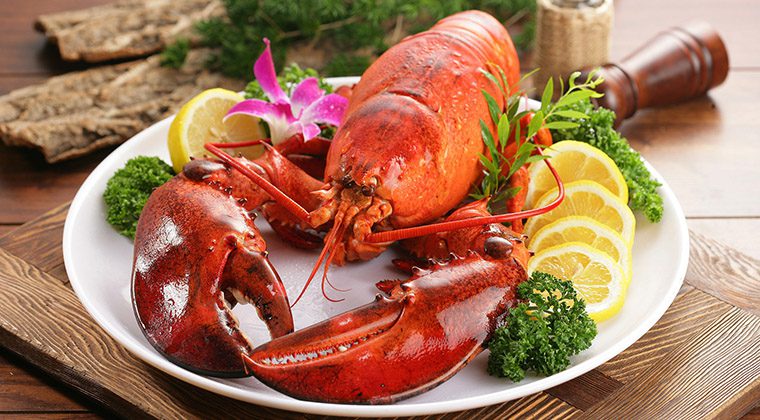
The recommendation that cut through the noise first was simple: on-the-water spots will have the freshest seafood. That one sentence narrowed a hundred options down to a handful. And then we just… went.
Here’s the part I keep coming back to. Not a single one of these places would have stopped me on looks alone. From the outside, there was nothing — no signal, no curb appeal, nothing that said this is the one. One was little more than a walk-up window on a cement pier. Another looked like a dive bar crossed with a diner, and when you walked in, it smelled exactly like you’d expect from both. Under any normal circumstances, traveling without a guide, we would have driven past every one of them.
But we didn’t, because AI didn’t just help us find good food — it gave us permission to walk past our own judgment.
We walked into each of these places already primed. Already confident. The work of convincing us had been done before we ever walked through a doorway, and so when the details started revealing themselves, we weren’t evaluating anymore. We were swept up in enjoyment, soaking it all in.
At the walk-up window, they asked our favorite color when we ordered and then hollered it out when our food was ready. While we waited, nurse sharks and tarpon circled the pilings a few feet from our table, trained by years of tourists tossing in a quarter’s worth of fish pellets. The menu, affixed to the wall, read like it belonged in a white tablecloth restaurant. The atmosphere was easy, open — kids could wander, explore the pier, watch the fish. My children loved it so much they asked to go back the next day. Same street, with plenty of unique options on every side, and we went back. On our second visit we returned to our hotel with a slice of key lime pie and a piece of souvenir art made from recycled materials.
That’s where the pie trail started. Every place had one, every place was proud of theirs. All scratch-made. We started comparing — the crumb crust at this one, the tartness at that one, the texture at the other.
At the dive bar diner, our waitress had the kind of easy, confident charm that takes twenty years to develop. She knew what to recommend, how much to say, and when to get out of the way. At some point I noticed the faint smell of cigarette smoke had stopped bothering me and started adding to the atmosphere. It’s kind of hard to explain that to anyone who hasn’t been there, or somewhere similar. When we ordered our slice, she dropped it almost as an afterthought as she walked away: “Oh, and that’s homemade whipped cream.”
That was it. That was the one. A small detail, offered casually, that instantly became the standard everything else was measured against. We talked about it for the rest of the trip.
That’s what details actually do. They don’t just satisfy — they pull people back, and they get shared. The Instagram food photo, the glowing review, the offhand comment to a friend — those are all the same impulse. Someone experienced something real and wanted to pass it on. And that content feeds the platforms, which feed the AI, which feeds the next traveler sitting in their car somewhere with their phone out, trying to decide where to go. It’s a loop. The details you deliver today become the signals that bring someone new through your door.
I genuinely love sharing ideas with foodservice operators — through this blog, our newsletter, videos, podcasts, wherever the conversation goes. And what I’m seeing right now, both in the data and in my own family’s vacation, is that AI has quietly become the front door for a growing number of your potential customers. Especially visitors from away — people who don’t know the area, don’t have a local to ask, and are eager to know more about the options around them. Their AI is reading your reviews. It’s pulling from your website. It’s aggregating every signal your digital presence has been sending, or failing to send.
It can lead people to your door. It can give them permission to walk in even when nothing on the outside suggests they should.
What it can’t do is make the homemade whipped cream.
That part is yours. The opportunity is to pay attention — to notice what’s happening in your dining room, to read your reviews closely, to watch what your team does that makes people light up. Do you know what your homemade whipped cream moments are? Find them. Lean into them. Make sure the content you put into the world reflects the experience you’re actually delivering, because when those two things are aligned, the loop closes in your favor.
Of the five key lime pies we tried, only one had homemade whipped cream.